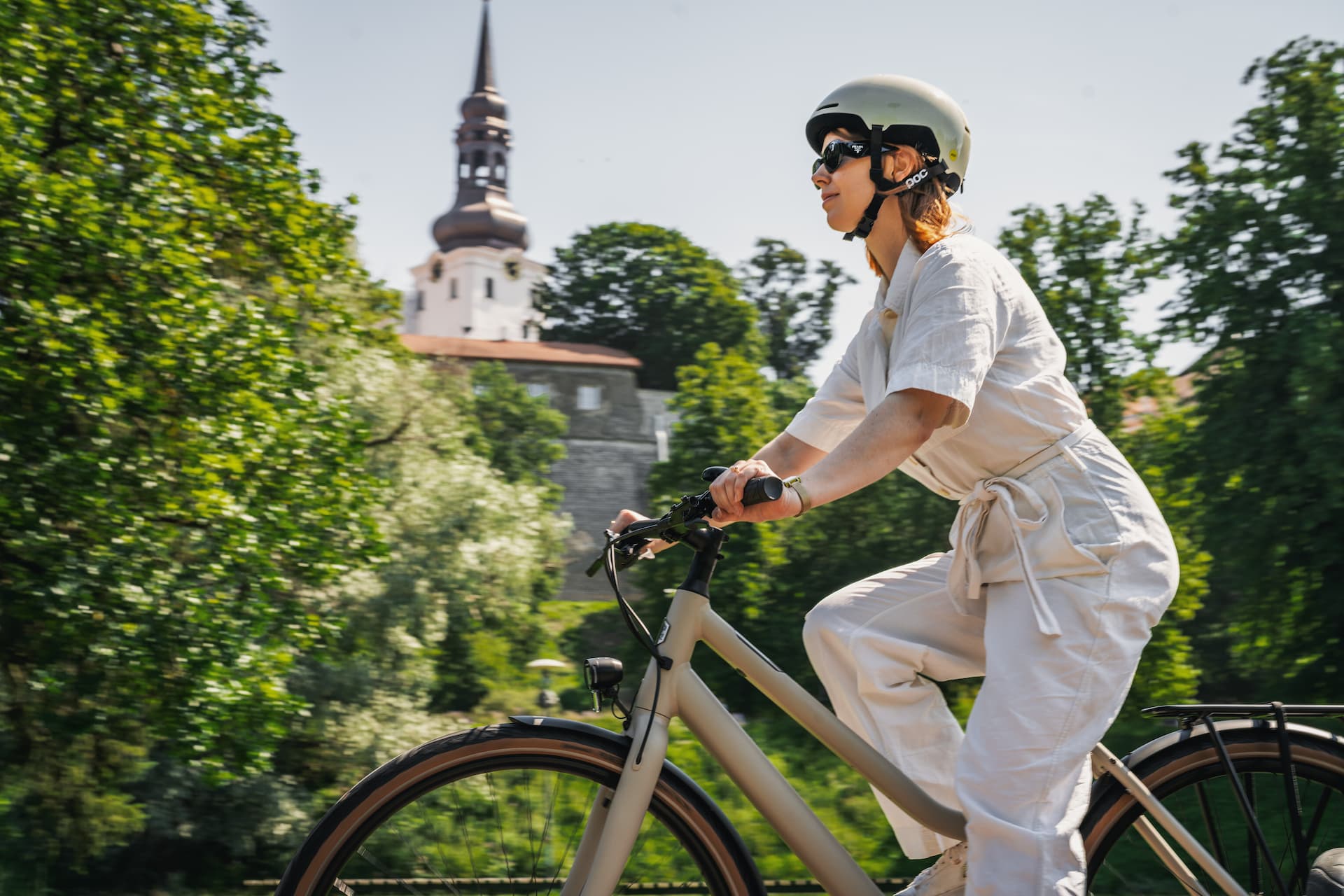
When travelers think about exploring Northern Europe, countries like Sweden or Finland often come to mind. Yet, just across the Baltic Sea, Estonia is quietly becoming one of the most exciting destinations for sustainable and slow tourism. With its untouched forests, charming medieval towns, and well-connected cycling paths, the country offers the perfect setting for travelers who wish to immerse themselves in nature while reducing their carbon footprint. For this reason, visiting Estonia by e-bike is quickly turning into one of the best ways to discover the nation’s beauty.
Why Estonia Should Be on Your Travel List
For many first-time visitors, the question often arises: is Estonia worth visiting? The answer is a resounding yes. Estonia may be small, but it is incredibly diverse. Its capital, Tallinn, is known for its medieval old town, cobblestone streets, and thriving café culture. Beyond the city, more than half of the country is covered by forests, offering endless opportunities for outdoor exploration. National parks such as Lahemaa or Soomaa showcase pristine bog landscapes and wildlife, while the coastline and islands provide stunning sea views.
Cycling has long been a popular way to explore this compact country, and the rise of e-bikes has made the experience even more accessible. With long distances easily covered and steep hills made effortless, e-bikes open Estonia to travelers of all ages and fitness levels.
Visiting Tallinn, Estonia, on Two Wheels
If you are visiting Tallinn, an e-bike is one of the most convenient ways to get around. The city combines history and modernity, making it both bike-friendly and full of surprises. Renting an e-bike allows you to glide from the old town’s medieval towers to the contemporary Telliskivi Creative City in minutes.
For those who want to escape the urban vibe, Tallinn also serves as a gateway to nearby islands. Aegna Island, for example, is only a short ferry ride away and has become famous for its e-bike tours that showcase coastal nature, pine forests, and sandy beaches. This experience, highlighted on Visit Estonia, reflects the growing popularity of e-bikes as an eco-friendly way to explore Estonia’s hidden gems.

Exploring Estonia’s Other Cities and Islands by E-Bike
While visiting Tallinn, Estonia is often the starting point for most travelers, the country has much more to offer once you venture beyond the capital. Tartu, the nation’s second-largest city and home to one of Europe’s oldest universities, is buzzing with energy and cultural events, making it a rewarding stop on an e-bike journey. On the western coast, Pärnu, known as Estonia’s summer capital, offers sandy beaches, spas, and lively seaside promenades that are perfect to explore on two wheels. The islands of Saaremaa and Hiiumaa provide a completely different atmosphere, with windmills, lighthouses, and coastal trails that highlight Estonia’s maritime heritage. Each of these destinations is easily accessible by e-bike and ferry connections, creating a network of routes that allow visitors to experience the diversity of Estonia at a relaxed pace.
E-Bike Tourism Across Estonia
Beyond Tallinn, cycling routes connect towns, forests, and coastlines throughout the country. Estonia has invested in developing safe and scenic trails, many of which are well-marked and perfect for e-bike riders. Resources like E-Bike Estonia provide guides, tours, and rental options, helping travelers plan their journeys seamlessly.
Cycling across Estonia offers travelers a unique opportunity to immerse themselves in local culture. Small villages, often overlooked by traditional tourists, become accessible by bike. You can stop at local cafés, interact with artisans, and experience the country’s slower rhythm of life. In a world where travel often feels rushed, Estonia invites you to pause, breathe, and connect.
Ampler and the Slowcation Movement
At Ampler, we believe that cycling should be more than just transportation. As an Estonian e-bike brand, our mission is to empower people to move more freely and sustainably. Our lightweight, beautifully designed e-bikes are perfect companions for urban commutes and countryside adventures alike.
This philosophy comes to life in our campaign Slowcation, which encourages travelers to embrace slower, more meaningful journeys. Instead of rushing from one landmark to another, we invite you to experience the joy of discovery at your own pace. Estonia, with its vast natural landscapes and bike-friendly infrastructure, is the ideal destination to put this mindset into practice.
For inspiration on where your next adventure could take you, discover our guide to top scenic e-bike routes in Europe, which also features Estonia as one of the continent’s hidden cycling gems.
How E-Bikes Enhance the Estonian Travel Experience
Choosing to explore Estonia with an e-bike transforms the entire travel experience. Distances that may seem long or intimidating on a traditional bike become enjoyable rides. Travelers can cover more ground in less time, yet still stop whenever they feel like it, from a lakeside picnic to a detour into the forest.
Another advantage of e-bikes is accessibility. Families traveling with children, older adults, or groups with varying levels of fitness can all enjoy cycling together without worry. This inclusivity makes e-biking not just a way to travel, but a way to share memorable experiences across generations.
Sustainability at the Core of Travel in Estonia
Estonia has positioned itself as a forward-thinking country when it comes to sustainability. From renewable energy projects to digital innovation, the nation has a clear vision for the future. Cycling, and particularly e-biking, aligns perfectly with this mindset. By choosing an e-bike over a car rental, travelers reduce their carbon footprint and contribute to preserving Estonia’s pristine landscapes.
This conscious approach to travel is also increasingly valued by visitors who want to enjoy authentic experiences while leaving a positive impact on the places they visit. E-biking through Estonia embodies this balance between exploration and respect for the environment.